


В мире материалов, где технологии постоянно эволюционируют, нержавеющая сталь стоит особняком — как символ незыблемой прочности и непревзойдённой элегантности. Это не просто сплав металлов; это воплощение человеческой изобретательности, которое на протяжении десятилетий доказывает свою незаменимость в самых разнообразных сферах жизни. От величественных небоскрёбов, касающихся облаков, до изящных столовых приборов, украшающих наши дома, нержавеющая сталь silently narrates a story of resilience, beauty, and innovation. But what makes this material so extraordinary? Why has it captured the imagination of architects, designers, engineers, and even artists across the globe? In this comprehensive exploration, we delve deep into the essence of stainless steel, unraveling its secrets, celebrating its applications, and envisioning its future. Prepare to be amazed by the magic of a material that truly defines the term 'timeless'.
История и происхождение нержавеющей стали
История нержавеющей стали begins in the early 20th century, a time of rapid industrial advancement and scientific discovery. While various alloys had been experimented with for centuries, the true breakthrough came in 1913, when English metallurgist Harry Brearley stumbled upon a corrosion-resistant alloy while seeking a solution for gun barrels that would not erode easily. His creation, which contained around 12.8% chromium, marked the birth of modern stainless steel. This serendipitous invention was not just a technical achievement; it was a revolution that would reshape industries. Initially, it found its niche in cutlery and surgical instruments, where hygiene and durability were paramount. But as the decades passed, its potential expanded exponentially. World War II accelerated its adoption in military and aerospace applications, while post-war economic booms saw it embraced in architecture and consumer goods. Today, stainless steel is a global phenomenon, produced in millions of tons annually, with innovations continuing to push its boundaries. From the iconic Chrysler Building in New York, clad in its gleaming facade, to the humble kitchen sink, its journey is a testament to human ingenuity. This historical backdrop not only highlights its evolution but also underscores why it remains a material of choice — it adapts, it endures, and it inspires.
Химический состав и свойства: почему она 'нержавеющая'?
At its core, stainless steel is an iron-based alloy, but its magic lies in the addition of chromium, typically at least 10.5% by mass. This chromium forms a passive layer of chromium oxide on the surface when exposed to oxygen, which is incredibly thin, invisible, and self-healing. This layer acts as a barrier, preventing further corrosion and rust — hence the name 'stainless'. But the composition doesn't stop there; other elements like nickel, molybdenum, and carbon are added to enhance specific properties. For instance, nickel improves ductility and toughness, making the steel more formable and resistant to impact, while molybdenum boosts resistance to pitting corrosion in chloride environments, such as coastal areas. The carbon content influences hardness and strength, allowing for tailored grades suited to different applications. This versatility in composition results in over 150 grades of stainless steel, each optimized for particular uses. Common types include Austenitic (e.g., 304 and 316 grades), known for excellent corrosion resistance and formability, often used in kitchenware and architecture; Ferritic, which is magnetic and less ductile, ideal for automotive applications; Martensitic, hardenable through heat treatment, perfect for cutlery and tools; and Duplex, a blend offering high strength and corrosion resistance, favored in chemical processing. The properties extend beyond corrosion resistance: stainless steel boasts high tensile strength, durability even at extreme temperatures, hygienic surfaces that resist bacterial growth, and a aesthetic appeal that can range from a matte finish to a mirror-like polish. It's these inherent qualities that make it not just functional but truly 'everlasting' in its strength and elegance.
Применение в архитектуре и строительстве
In the realm of architecture and construction, stainless steel is nothing short of a superhero. Its ability to withstand harsh weather conditions, resist corrosion from pollution and moisture, and maintain its luster for decades has made it a favorite for iconic structures worldwide. Take, for example, the Gateway Arch in St. Louis, USA — its sleek, curved form is entirely clad in stainless steel, symbolizing strength and aspiration. Similarly, the Burj Khalifa in Dubai utilizes extensive stainless steel components for its cladding and structural elements, ensuring durability in the desert climate. But it's not just about skyscrapers; stainless steel finds its way into bridges, railways, and even residential buildings, where its low maintenance requirements reduce long-term costs. In facades, it offers a modern, reflective aesthetic that changes with the light, creating dynamic visual effects. Moreover, its fire resistance adds a layer of safety, crucial in high-rise constructions. The material's recyclability aligns with green building trends, contributing to LEED certifications and sustainable design. From the minimalist elegance of contemporary homes to the grand statements of public monuments, stainless steel provides both form and function, proving that beauty and brawn can coexist harmoniously. Its role in construction is a testament to how a material can elevate not just structures, but the very skyline of our cities.
Роль в дизайне интерьера и бытовой технике
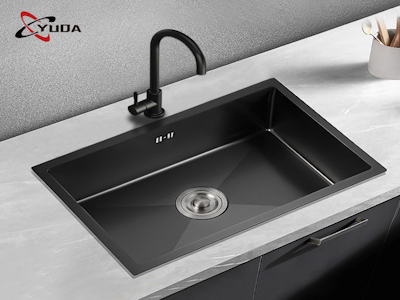
Step into any modern home, and you'll likely be greeted by the sleek surfaces of stainless steel. In interior design, it has become synonymous with sophistication and cleanliness. Kitchen appliances — refrigerators, ovens, dishwashers — often feature stainless steel finishes, not only for their durability and ease of cleaning but also for their ability to blend seamlessly with various decor styles, from industrial to minimalist. But it's beyond the kitchen; stainless steel is used in furniture, lighting fixtures, and even decorative accents, adding a touch of modernity and timeless appeal. Its hypoallergenic and non-porous surface makes it ideal for environments where hygiene is critical, such as hospitals and laboratories, but it's equally at home in luxury residences. Designers love its versatility — it can be brushed for a soft, matte look or polished to a high shine, creating reflections that amplify space and light. In household items like sinks, faucets, and cutlery, it offers unmatched longevity, often outlasting other materials by years. The aesthetic is not just about looks; it conveys a sense of quality and reliability. As trends shift towards sustainable living, stainless steel's recyclability and longevity make it an eco-conscious choice, reducing waste and promoting a circular economy. Whether in a high-end apartment or a cozy cottage, it brings an element of 'forever' elegance that never goes out of style.
Промышленные и медицинские применения
Beyond the visible world of design, stainless steel plays a critical role in industries where failure is not an option. In the medical field, its corrosion resistance and sterilizability are lifesaving. Surgical instruments, implants like hip replacements, and hospital equipment are often made from medical-grade stainless steel (e.g., 316L), ensuring they can withstand repeated cleaning and exposure to bodily fluids without degrading. This reliability reduces infection risks and enhances patient outcomes. In industry, it's indispensable in chemical processing, oil and gas, and food production. Tanks, pipes, and valves made from stainless steel handle corrosive substances safely, preventing contamination and ensuring operational integrity. The food industry relies on it for equipment that must meet strict hygiene standards, as it doesn't impart flavors or harbor bacteria. Additionally, in transportation, from automotive exhaust systems to aerospace components, stainless steel's strength-to-weight ratio and resistance to high temperatures make it ideal. Its role in renewable energy, such as in wind turbines and solar panel frames, highlights its contribution to a sustainable future. These applications demonstrate that stainless steel is not just a material for aesthetics; it's a backbone of modern infrastructure, enabling advancements that improve lives and drive progress. Its versatility across sectors underscores why it's often called the 'workhorse' of materials — dependable, adaptable, and essential.
Экологичность и устойчивое развитие
In an era increasingly focused on sustainability, stainless steel shines as an environmentally friendly choice. One of its standout features is its recyclability — it is 100% recyclable without loss of quality, and a significant portion of new stainless steel is made from recycled scrap. This closed-loop system reduces the need for virgin raw materials, conserving natural resources like iron ore and chromium, and lowering energy consumption compared to primary production. The production process itself has become more efficient over time, with advancements reducing emissions and waste. Moreover, stainless steel's longevity means products last longer, decreasing the frequency of replacement and thus reducing overall environmental impact. For example, a stainless steel building facade might need minimal maintenance over 50 years, whereas other materials could require frequent repairs or replacement. In terms of life cycle assessment, stainless steel often outperforms alternatives like plastic or coated steels in durability and end-of-life recyclability. This aligns with global initiatives such as the UN Sustainable Development Goals, promoting responsible consumption and production. By choosing stainless steel, industries and consumers contribute to a circular economy, where materials are reused and repurposed, minimizing landfill waste. Its role in green technologies, like renewable energy infrastructure, further cements its status as a material for a sustainable future. So, when you opt for stainless steel, you're not just selecting strength and elegance; you're making a choice that benefits the planet.
Инновации и будущее нержавеющей стали
The story of stainless steel is far from over; innovation continues to push its boundaries. Researchers are developing new grades with enhanced properties, such as higher strength for lightweight applications in automotive and aerospace, or improved corrosion resistance for extreme environments like deep-sea exploration. Nanotechnology is being explored to create surfaces with self-cleaning or antibacterial properties, opening doors for use in healthcare and public spaces. Additive manufacturing, or 3D printing, is revolutionizing how stainless steel components are produced, allowing for complex geometries that were previously impossible, reducing waste and enabling customization. In architecture, smart materials integrated with sensors could turn stainless steel surfaces into interactive elements, responding to environmental changes. The future might see 'green' stainless steel, produced using renewable energy sources, further reducing its carbon footprint. As global challenges like climate change and urbanization intensify, stainless steel's adaptability will be crucial. It could play a key role in resilient infrastructure, from earthquake-resistant buildings to corrosion-proof water systems. The ongoing research and development ensure that this material will remain at the forefront of technology, continuing to offer solutions that blend eternal strength with evolving elegance. The journey of stainless steel is a dynamic one, always evolving, always inspiring — a true secret to perpetual innovation.
Заключение: вечная магия стали
In conclusion, stainless steel is much more than a material; it is a phenomenon that encapsulates the perfect marriage of strength and elegance. From its accidental discovery to its pervasive presence in our daily lives, it has proven to be indispensable, reliable, and beautiful. Its corrosion resistance ensures longevity, its aesthetic versatility enhances design, and its sustainable attributes support a healthier planet. Whether in the soaring arcs of modern architecture, the precise instruments of surgery, or the simple grace of a kitchen knife, it tells a story of human achievement and endless possibility. As we look to the future, stainless steel will undoubtedly continue to innovate and inspire, cementing its place as a secret to eternal durability and sophistication. So, the next time you encounter its gleaming surface, remember — you're witnessing a masterpiece of metallurgy, a testament to ingenuity that truly stands the test of time.